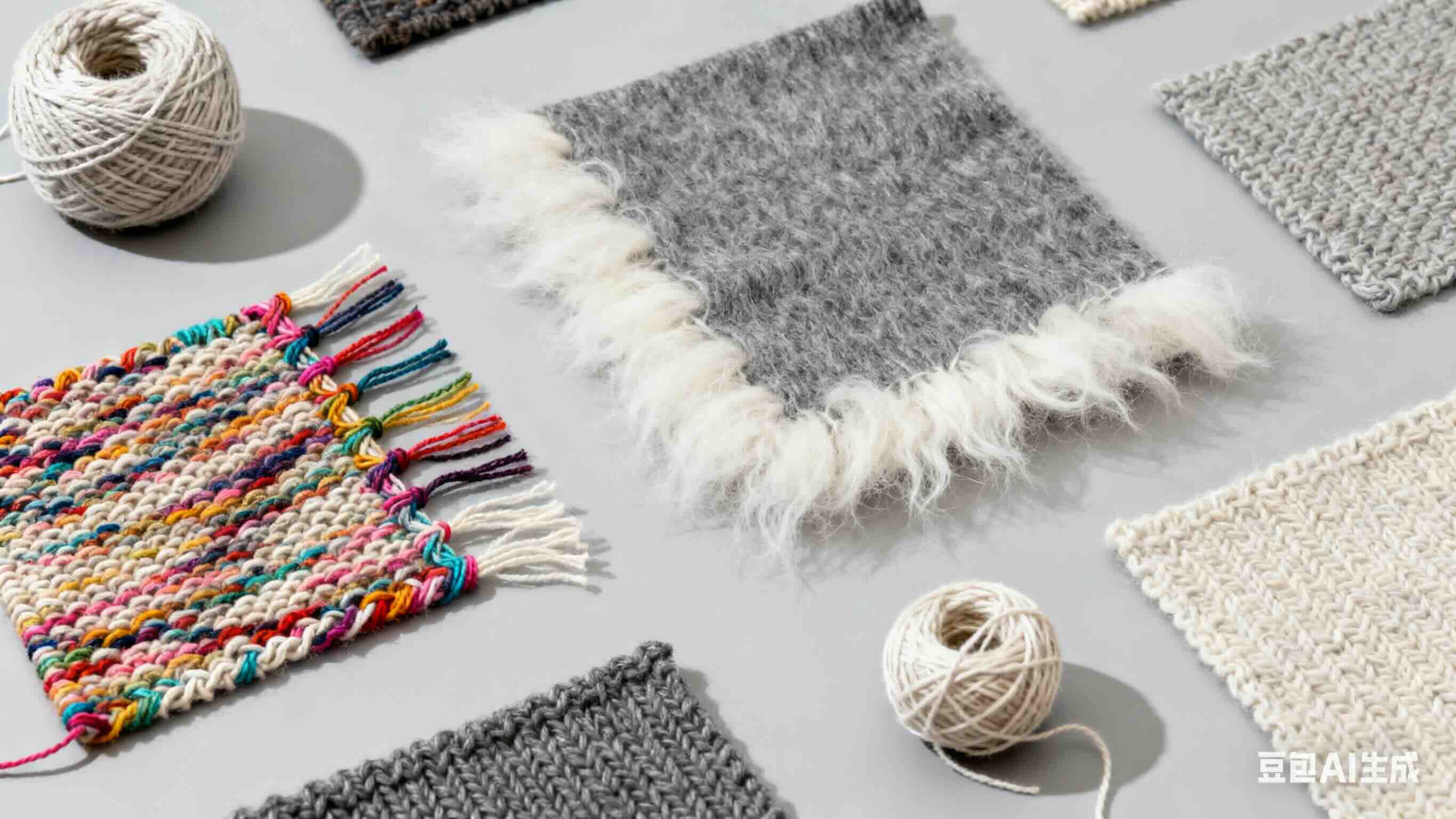
Every knitter has one: the Stash. It’s a treasure chest of memories, holding that single, exquisite skein of cashmere you couldn’t resist and the leftovers from a beloved sweater. But too often, we see our stash as a collection of limitations—not enough of any one thing for a full project. I’m here to change that perspective entirely.
For more than twenty years, I’ve treated my yarn stash not as a storage unit, but as my personal spice rack. The real magic begins when you stop thinking about yarns as individual items and start seeing them as ingredients. By holding two, three, or even more strands together, you can become your own yarn designer, creating custom weights, unique colors, and breathtaking textures. This guide will walk you through the art and science of combining yarns, turning guesswork into gorgeous, one-of-a-kind fabrics.
Why Combine Yarns? The Creative Possibilities
Holding multiple strands of yarn together is a technique that opens up a whole new world of creative freedom. It’s not just a practical solution; it’s a design choice that can elevate a simple pattern into a work of art.
- Create a Custom Yarn Weight: This is the most practical reason. By holding two strands of fingering weight yarn together, you can create a yarn that is approximately worsted weight, allowing you to adapt your existing stash to fit a much wider range of patterns.
- Invent Unique Colors (Marling): Marling is the beautiful effect created when you hold two or more different colors of yarn together. The result isn’t a solid color, but a fabric with incredible depth and movement.
- Blend Textures and Fibers: This is where the fun really starts. Holding a strand of merino with a strand of lace-weight silk mohair creates a magical "halo" effect, adding warmth and a dreamy quality to the fabric.
The "Rules" of Combining Yarns (And When to Break Them)
While experimentation is encouraged, there are some foundational guidelines that will help you create successful combinations. Think of these as your starting point, not as rigid laws.
The Basic Math of Yarn Weights
There’s a handy rule of thumb for creating custom yarn weights. While not perfectly exact, it’s a fantastic starting point. The general idea is that combining two strands of the same weight will result in a yarn that is roughly equivalent to the next weight category up.
- 2 strands of Lace Weight ≈ 1 strand of Fingering Weight
- 2 strands of Fingering Weight ≈ 1 strand of Sport or DK Weight
- 2 strands of Sport Weight ≈ 1 strand of Worsted Weight
- 2 strands of DK Weight ≈ 1 strand of Aran or Chunky Weight
- 2 strands of Worsted Weight ≈ 1 strand of Bulky or Super Bulky Weight
This is an approximation. For a more detailed breakdown, our Combining Yarn Weights chart is an indispensable resource that I recommend every knitter bookmarks.
Fiber Compatibility: A Harmonious Blend
When you combine yarns, you’re also combining their properties. Keep these points in mind:
- Similar Fibers: Combining two wool yarns or two cotton yarns is straightforward. The resulting fabric will have predictable behavior.
- Different Fibers: Combining an elastic wool with a non-elastic linen will create a fabric with less memory than 100% wool but more bounce than 100% linen.
- Care Instructions: A critical consideration! If you combine a machine-washable superwash merino with a delicate, hand-wash-only alpaca, the entire garment must be treated as a delicate, hand-wash-only item.
The Importance of Swatching for Fabric, Not Just Gauge
I know, I always talk about swatching. But when you’re combining yarns, the swatch is not just a technical requirement; it’s your creative playground. Your swatch will tell you everything you need to know: Do you like the color interaction? What is the fabric’s personality? And most importantly, what is the actual gauge? If you need to adjust pattern math, a Knitting Gauge Converter can be a huge help.
A Pro Knitter's Favorite Combinations
Ready to get started? Here are a few of my favorite, time-tested combinations that are a great entry point into the world of custom fabrics.
The Classic Halo: A Strand of Smooth + A Strand of Fluffy
This is perhaps the most popular combination. Take a simple, smooth yarn (like a fingering or DK weight merino) and hold it together with a lace-weight yarn that has a prominent halo (like a silk/mohair blend). The core yarn provides the structure, while the fluffy yarn blooms to fill the space, creating a fabric that is incredibly light, airy, and ethereally warm.
The Subtle Tweed: A Plied Yarn + A Rustic Single
If you love a rustic, tweedy look, try holding a smooth, round, plied yarn together with a more rustic, gently-twisted single-ply yarn. This works especially well when the two yarns are in slightly different, complementary colors, enhancing the tweedy look of the final fabric.
The Touch of Sheen: A Matte Fiber + A Lustrous Fiber
To give a project a quiet touch of elegance, try combining a matte fiber with a lustrous one. For example, hold a strand of rustic wool or soft cotton together with a thin strand of silk or tencel. The lustrous fiber will catch the light, adding a subtle glow and richness to the fabric.
A Critical Note on Yardage: The Most Common Mistake
This is the most important piece of math you need to know. When you hold two strands of yarn together, you use the yardage of both strands simultaneously. If your pattern requires 1,200 yards of a worsted weight yarn, and you create that weight by holding two strands of fingering weight yarn together, you will need 1,200 yards of EACH of the fingering weight yarns. Before you begin, it’s wise to use a Yarn Amount Estimator to get a reliable figure for the total yardage your project requires.
Final Thoughts: Your Stash is a Palette
I want you to look at your stash differently now. It’s not a random collection of single skeins and leftovers. It’s a palette of colors, fibers, and textures waiting for you to become the artist. Combining yarns is a joyful, low-risk way to experiment and push your creative boundaries. Start small. Hold some yarns together and knit a few swatches with no goal other than to see what happens. You will be amazed at the beautiful, complex, and deeply personal fabrics you can create. This is your invitation to play, to experiment, and to fall in love with your stash all over again.